
Making Sense of the Materials Behind Ferragamo Bags and the Craft Behind Them
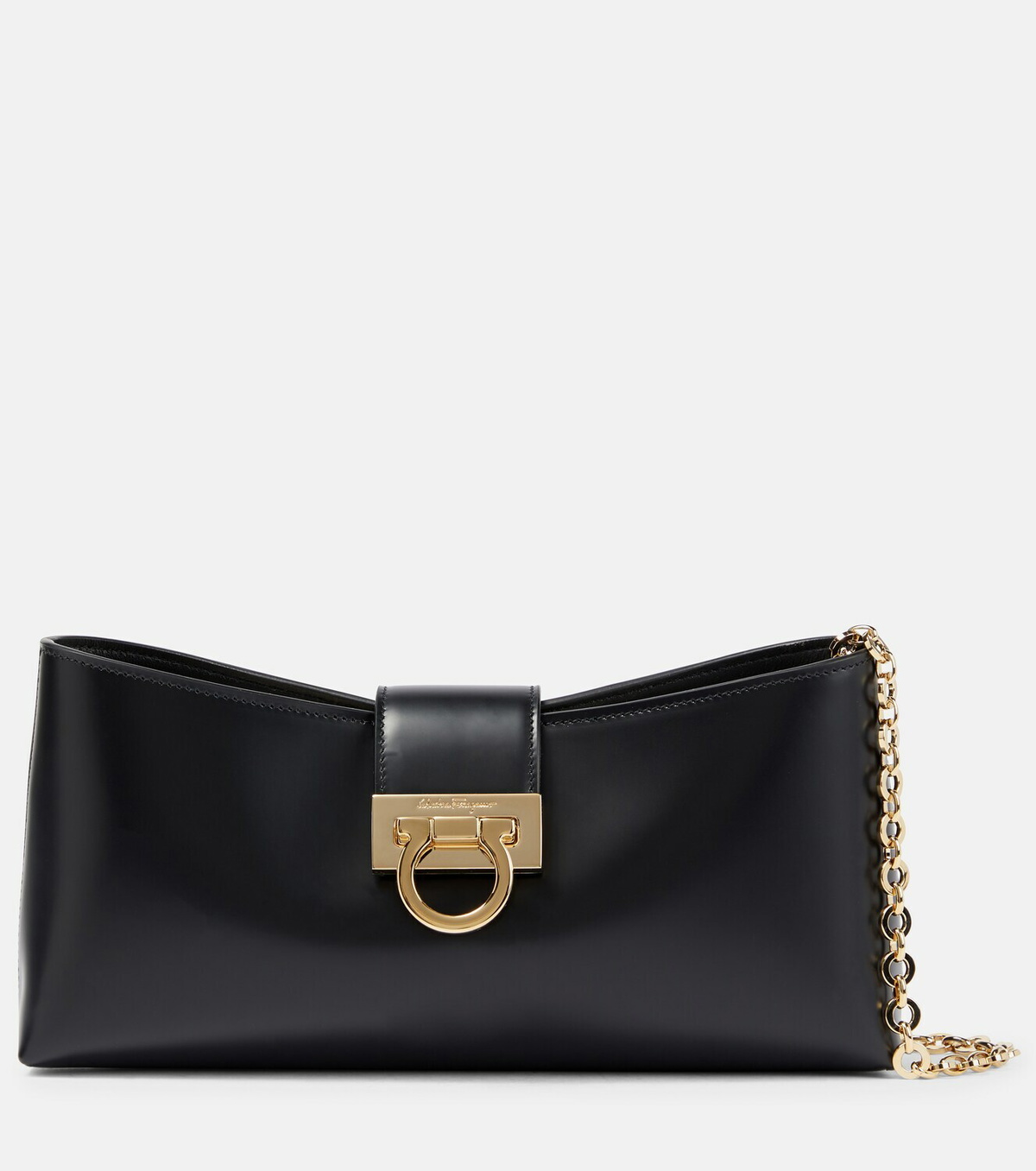
Long before leather goods took center stage, Salvatore Ferragamo established itself in footwear — and that construction-first heritage continues to shape every Ferragamo bag turned out today. Someone new to a Ferragamo shop initially will notice the language departs from typical fashion retail — leather grades, metal finishes, hand-stitching techniques — because the brand treats bags as engineered objects rather than seasonal accessories. Knowing what justifies the cost helps a shopper shop with discernment rather than on name recognition alone. This overview details the materials, construction techniques, and hallmarks that distinguish a expertly built Salvatore Ferragamo bag from something merely branded. We also examine how these material and design choices endure real-world handling, because craftsmanship only matters if it survives contact with real life. By the end, you should be equipped to view a Ferragamo bags overview on any retail page and know what questions to ask before buying.
The Range of Leathers Found Across the Line
Ferragamo works predominantly with calfskin, but not all calfskin is equal, and the house applies a range of different finishes depending on what the bag is designed for. The most frequently used option is smooth calfskin for firm-shaped top-handle styles because it holds shape without heavy interior scaffolding. Cross-hatched Saffiano-style leathers show up on bags meant for daily rotation, because the textured grain pattern holds up against scuffing better than an unembossed finish. Suede and nubuck appear in special-occasion and evening designs, chosen for softness and depth of color rather than durability, so they call for extra caution in use. Exotic skins, including python and crocodile, appear in limited runs and command significantly steeper prices due to how intricate their sourcing and tanning process is. buy online Patent leather, finished with a glossy lacquer layer, gives certain Salvatore bag styles their high-gloss look and is more resistant to water than untreated hides. Identifying the hide behind a bag tells you nearly all you need to know regarding how it will wear over time, mark up, and respond to cleaning.
Vara Bow Details and Gancini Hardware
Across decades of Ferragamo bag craftsmanship, two hallmark motifs resurface again and again: the Vara grosgrain bow and the stirrup-style Gancini fastener. That grosgrain bow, initially launched on shoes in 1978, later found its way onto handbags and keeps appearing on newer collections, typically crafted from leather or fabric ribbon stitched directly onto the flap or strap. The Gancini, a stirrup-form metal clasp, has origins that predate the bow and serves as a fastening device and a signature brand cue on numerous bestselling styles. Such details aren’t just ornamental extras — they carry real structural or functional weight, so the choice of metal alloy affects how long the piece lasts. Superior-quality fittings holds up against discoloration and retains its finish after years of buckle and clasp use, and this explains why vintage Ferragamo bags on the resale market often retain their shine. Cheaper hardware alternatives on unauthorized listings tend to oxidize or discolor within a year, a fast method for flagging a questionable “ferregamo” listing sold outside verified retailers. While browsing for a bag, inspecting the fittings’ weight and surface finish is as informative as assessing the leather itself.
The Craft Methods Behind True Quality
Ferragamo’s ateliers in Florence rely on techniques that go back to classic Italian leathercraft apprenticeship, including hand-cut panels and edge-painting done in multiple thin coats rather than one thick layer. Edge painting matters more than most buyers realize: a well-done edge holds up against flexing without splitting, while a rushed job shows fraying within months. Another telling sign is stitch density — look for even, tight stitching along high-tension areas such as handle joins and zipper tracks, since loose threads in those spots are typically where bags fail first on any leather bag. Structured styles commonly feature a reinforced bottom, sometimes with metal studs, to keep the base from bowing, a small detail that affects resale value years later. Interior linings range from logo-jacquard textile to smooth leather, with leather interiors typically reserved for premium-tier styles and carrying a higher price tag as a result. The junctures where hardware meets strap, notably on shoulder and crossbody styles, get reinforced via added stitching or rivets rather than adhesive alone, which is one of the main distinctions separating a lasting investment piece from a throwaway bag.
A Guide to Assessing a Bag Pre-Purchase
Prior to purchase, regardless of whether you’re browsing physically or through an online Ferragamo shop, running a concise physical checklist can save you regret later. As a first step, inspect the leather grain under strong lighting for evenness — slight irregularity is to be expected, but patchy color points to a subpar hide. As a second step, test the zipper and clasp mechanisms more than once, since smooth, resistance-free movement signals precisely fitted hardware. Next, check alignment: pockets, straps, and stitching lines should align with one another perfectly, as misalignment often indicates a flawed unit or non-authentic piece. Fourth, smell the leather — genuine high-grade leather has a mild, natural scent, while harsh, man-made scents can point to imitation materials or poor tanning. Fifth, check for the interior stamp and authenticity card, expected additions with genuine Salvatore Ferragamo bags sold through approved sellers. Finally, think about the bag’s purpose; a soft suede shoulder bag and a rigid saffiano-style tote serve distinctly different daily demands, and pairing material with routine use prevents premature wear.
Weighing Up Popular Ferragamo Bag Categories
Within the collection, different bag families employ different material approaches, and a side-by-side comparison helps clarify which fits a given buyer most closely. The table below lays out four frequently mentioned categories among shoppers looking into the best Ferragamo bags and top Ferragamo bags for daily wear compared to special-occasion use.
| Bag Type | Core Material Used | Typical Hardware | Best Use Case |
|---|---|---|---|
| Structured Top-Handle | Sleek calfskin leather | Shiny Gancini-style clasp | Workplace or formal day use |
| Daily-Use Tote | Saffiano-textured leather | Durable, reinforced rings | Commuting and travel use |
| Evening-Style Clutch | Satin or suede fabric | Slim Vara bow detail | Special events, evening use |
| Crossbody | Leather with texture or grain | Clasp-fastened chain or leather strap | Everyday casual use, hands-free days |
Before settling on specific models, this kind of comparison proves valuable, since the bag’s frequency and setting of use should guide the material choice. A top-handle style bag in smooth calfskin, for example, is a mismatch for someone who needs a tough daily bag subjected to the elements, while a saffiano tote copes with that setting with considerably less worry.
Caring for Your Ferragamo Bag Long-Term
Understanding fabrications and leathers really pays dividends if matched with diligent maintenance, and Ferragamo’s bags favor those who stay consistent with care. Polished calfskin should be conditioned on a regular few-month cycle with a leather-specific product to guard against dehydration and surface fissures, most notably in dry climates. Suede pieces need a dedicated brush and should never come into contact with water, since moisture leaves irreversible discoloration on the suede surface. Saffiano and textured leathers are more tolerant but still do well with wiping with a slightly damp cloth to remove surface grime before it embeds in the grain. Hardware should be kept dry and occasionally polished with a soft cloth, avoiding abrasive cleaners that strip plating. Storage is equally important — stuffing the bag lightly to hold shape and keeping it in a dust bag away from direct sunlight prevents both structural sagging and color fading. Bags stored improperly for even a single humid season can develop mold on interior linings, an avoidable and costly mistake.
Making a Confident Choice
Once you recognize what you’re really paying for — the grade of leather, the quality of hardware, the hours of hand-finishing, and the construction methods that determine how the bag ages — selecting from among Salvatore Ferragamo bags gets much simpler. A well-informed buyer comparing options in a Ferragamo shop can see through promotional wording and judge a bag the way an artisan would: through touch, stitching, and weight. Whether you’re after a structured piece meant to last or a sturdy everyday companion, aligning materials with how the bag will be used is by far the most dependable method to get durable, long-run worth. The best Ferragamo bags aren’t necessarily the most expensive ones in a given season, but the ones whose materials and construction suit how they’ll actually be used. With this understanding in place, evaluating any Ferragamo bags overview — new arrivals or archival styles — becomes a far more confident exercise.