
Score Big on Savings with Discount Ammo You Can Trust
Why pay full retail price when discount ammo delivers the same factory-new performance at a fraction of the cost? Discount ammo refers to new, surplus, or bulk-packed cartridges sold at reduced prices, often through online retailers that buy directly from manufacturers or offer volume-based savings. By purchasing larger quantities like 500 or 1,000 rounds, shooters can lower their per-round expense without sacrificing reliability or accuracy. To use it effectively, simply check the lot’s headstamp and primer seal, then store it in a cool, dry place to maintain consistent ballistics.
What Exactly Counts as Affordable Ammunition and Why It Costs Less
Affordable ammunition in the context of discount ammo generally means practice-grade rounds priced at or below roughly 30–40% less than premium defensive loads. This category typically includes full metal jacket (FMJ) bullets, such as 9mm 115-grain or .223 Remington 55-grain, which are mass-produced in high volumes. The cost reduction stems from simpler construction—no hollow-point expansion, no nickel-plated casings, and no specialized propellants. Manufacturers use standard brass or steel cases and bulk-sourced gunpowder, which cuts material costs significantly. Additionally, these rounds skip rigorous accuracy testing and batch-to-batch consistency checks reserved for hunting or self-defense lines. The lack of premium packaging and smaller marketing budgets further trims overhead. You also pay less because discount ammo is often sold as “overruns” or “new manufacture surplus”—identical to standard loads but without brand-name labeling. This makes them ideal for range training, sighting-in, and malfunction drills where terminal performance is irrelevant. The tradeoff is slightly wider velocity variance and occasional cosmetic blemishes, but the functional reliability remains acceptable for practice. Ultimately, affordable ammo is defined by its purpose: cheap, repeatable, and sufficient for saving money on high-round-count sessions.
Breaking Down the Price Difference: New, Overrun, and Remanufactured Rounds

New ammunition commands the highest price because every component—brass, primer, powder, bullet—is manufactured to original specifications, leaving no room for cost-cutting. Overrun rounds, by contrast, are factory leftovers from military or law-enforcement contracts; they are identical in quality to retail ammo but sell for 10–20% less because the manufacturer already recouped production costs. Remanufactured rounds use once-fired brass that is inspected, resized, and reloaded with fresh components—a process that trims 30–50% off the price, though you sacrifice the pristine casing of new ammo. For high-volume practice, overruns offer the best balance, while remanufactured rounds win when raw cost is your only metric. New remains the premium pick for defensive loads, where marginal reliability outweighs savings.
| Type | Price Point | Key Difference |
|---|---|---|
| New | Highest | 100% virgin components |
| Overrun | 10–20% less | Factory surplus, same QC |
| Remanufactured | 30–50% less | Reused brass, new internals |
Where the Savings Come From Without Sacrificing Function
Discount ammunition achieves its lower price primarily by streamlining manufacturing, 6mm Remington Ammo for Sale not by downgrading the cartridge’s core job. Savings come from using bulk-packaged, non-premium projectiles with slightly looser tolerances—acceptable for practice—while the brass case, primer, and powder charge remain identical to standard loads. You skip the cost of polished nickel cases, sealed primers, or match-grade bullet consistency, all of which have zero effect on reliable cycling or muzzle velocity for typical range use. Additionally, manufacturers often run discount lines in high-volume, single-lot batches, reducing setup and inspection overhead. The result is a round that feeds, fires, and extracts exactly like its pricier counterpart, but without the marketing or packaging frills. Affordable ammunition cuts costs through simplified production, leaving functional performance—pressure, dimensions, and ignition—fully intact for everyday shooting.
How to Spot a Genuine Bargain Versus a Subpar Product

A genuine bargain in discount ammo reveals itself through consistent case dimensions and primer seating, not just a low sticker price. Subpar products often exhibit loose primer pockets, corroded cases, or visibly inconsistent bullet seating, which you can catch before loading. Compare the 7mm Rem Ultra Mag Ammo for Sale round’s weight against a known-good brand; a significant deviation signals poor QC. Verify lot-testing data from the seller—if they refuse to share group sizes or velocity spreads, treat the discount as a warning. A softer primer strike or a faint “pop” without recoil is your first clue of underpowered powder charges. Stick to manufacturers with published reloading specs, and always pull a few bullets from the box to inspect powder fill. If the price is 30% below market but the brass feels gritty or the bullet tips are deformed, you are buying a headache, not a bargain.
Q: What is the fastest way to spot a specialty sports and supply subpar discount round before firing it?
A: Weigh 10 random cartridges; if any deviate by more than 0.5% from the stated grain weight, you have inconsistent propellant or bullet mass—a hallmark of subpar production, regardless of price.
Key Factors to Check Before You Buy Budget-Friendly Rounds
Before you stock up on discount ammo, check the headstamp and lot number—budget rounds often come from mixed batches, so a quick visual scan for corrosion or dents on the case mouth is non-negotiable. Verify the primer is seated flush, not proud, because cheap primers fail more often. Also, weigh a few cartridges; inconsistent bullet weight is a red flag for poor QC. Crucially, test-fire a box of 20 before buying a case, since discount ammo can be dirty or underpowered.
If the price seems too good, inspect the crimp—loose neck tension causes setback and pressure spikes.
Finally, check the bullet’s magnetic response with a magnet; bi-metal jackets in budget rounds wear barrels faster, which you might regret later.
Matching the Bullet Weight and Grain to Your Firearm’s Purpose
Matching the bullet weight and grain to your firearm’s purpose is the difference between a frustrating range trip and a reliable defensive load. Before grabbing the cheapest box, check what your barrel twist rate prefers—a 1:7 twist handles heavier 62-grain loads, while a 1:12 struggles with them. For target practice, lighter 55-grain rounds cut costs and recoil, but for self-defense or hunting, you need heavier 115–147-grain options that penetrate properly. Your firearm’s twist rate dictates the ideal grain weight, so verify it first. If you’re testing discount ammo, follow this sequence:
- Confirm your barrel’s twist rate in the manual.
- Choose a grain range that matches your primary use (plinking vs. defense).
- Buy a small box of that specific weight and test for keyholing or poor accuracy.
Once you find a cheap round that stabilizes and cycles, stick with that grain for bulk purchases.
Understanding Brass, Steel, and Aluminum Casings for Range Use
When buying discount ammo, knowing your casing material directly impacts your range session. Brass casings for range use remain the most reliable choice, as they expand and extract smoothly in nearly any firearm, though they cost more per box. Steel casings, often the cheapest, feature a lacquer or polymer coating to prevent rust, but they can stick in tight chambers when hot, especially in pistols, and may wear extractors faster. Aluminum casings split the difference—lighter and cheaper than brass, yet they lack the malleability to resize, so they’re strictly one-time-use. For fast, high-volume drills, steel saves money; for flawless feeding in finicky guns, stick with brass.
Brass wins on reliability, steel on price, and aluminum on lightweight convenience—match the casing to your gun’s tolerance for the 9.3x72R Ammo for Sale best range value.
Why Bullet Type Matters for Target Practice Versus Self-Defense
For target practice, a full metal jacket (FMJ) round is your budget-friendly workhorse, offering reliable feeding and clean barrel function without the premium price. When you shift to self-defense, bullet type becomes life-or-death: a hollow point expands on impact, dumping energy into a threat and drastically reducing over-penetration risks in a home. Buying discount ammo means resisting the urge to train exclusively with defensive hollow points, which are costly, and instead using cheaper FMJs for volume drills. Conversely, never rely on budget FMJs for carry, as their lack of expansion makes them a poor choice for stopping a threat. Your training round can be frugal; your defensive cartridge must deliver terminal performance.
Practical Ways to Stretch Your Shooting Budget Further
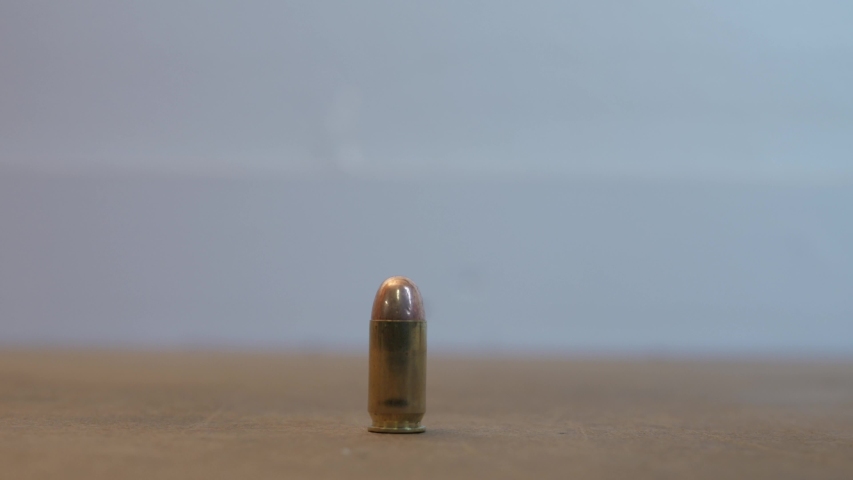
Stretching your shooting budget starts with stacking discount ammo deals, but the real savings come from how you use them. Buy in bulk when prices dip, then split that cost per box in your head—suddenly, practice feels cheaper. Pair discounted rounds with a .22LR conversion kit for your handgun or rifle, letting you train on the same platform for pennies a shot while saving your pricier defensive loads. Also, make every discount round count by focusing on dry-fire drills at home, reserving live fire for verification.
Rotate your stock—shoot the oldest discounted ammo first to avoid corrosion and wasted cash.
Finally, track your rounds per session and set a monthly cap; that way, you’re not burning through a deal just because it felt cheap, and your stash lasts until the next sale.
Buying in Bulk: How Case Quantities Lower the Cost Per Round
When you buy by the case, you’re not just stocking up—you’re actively 7mm Rem Mag Ammo for Sale cutting the price per box. Retailers offer the steepest margins on bulk orders, so a 500- or 1,000-round case often drops the cost per round by 10–20% compared to buying individual boxes. This is the fastest way to lower your cost per round with discount ammo, since shipping gets amortized across more units and you skip the small-order handling fees. Plus, you lock in today’s price, avoiding future hikes. For range days or practice sessions, a case means you won’t run dry mid-trip.
- Compare price-per-round, not total price, between case and box quantities.
- Watch for free-shipping thresholds that make cases even cheaper.
- Split a case with a friend if you want variety without losing bulk savings.
- Store your case in a dry, cool spot to keep rounds reliable.
Using a Ammo Subscription Service to Lock in Lower Prices
Signing up for an ammo subscription service is a smart way to beat price creep and secure consistent bulk pricing on discount ammo. You lock today’s per-round rate for future deliveries, shielding yourself from sudden spikes. Most services let you schedule monthly or quarterly shipments, so you can align costs with your range trips. The key is choosing a plan with no long-term contract—pause or cancel anytime. Many offer first-time subscriber discounts, saving 10–15% off your opening order. Over a year, this reduces your cost per box significantly.
Stacking Coupons, Clearance Sales, and Free Shipping Thresholds

To maximize savings on discount ammo, first check retailer coupon codes for sitewide or category-specific percentages, then layer these on top of already-reduced clearance items—many stores apply both at checkout without issue. Prioritize bulk calibers like 9mm or .223 during clearance events, as per-unit prices drop further when legacy stock is pushed out. Free shipping thresholds often require spending $50–$150, so pair a low-cost clearance box with a higher-priced staple to cross the limit without unnecessary purchases. Always compare the final cost after coupons and shipping against a per-round basis, since a modest coupon rarely offsets a high threshold. Stacking coupons with clearance pricing demands timing—browse mid-week when restocks and markdowns occur—and keeping a running list of promo codes from ammo newsletters. Avoid paying shipping on single boxes by saving orders until they meet the threshold 9×18 Makarov Ammo for Sale naturally.
How to Test and Verify Quality in Low-Cost Rounds Safely
To verify discount ammo safely, start by inspecting a sample batch for crimp consistency, primer seating depth, and case length—visual anomalies often precede failures. Fire five rounds from a rested position, checking for keyholing, erratic velocity, or excessive smoke, which indicate powder inconsistency.
Always shoot the first ten through a bolt-action or handgun, not a semiauto, to isolate pressure signs like flattened primers or sticky extraction.
Then, test function in your actual carry or competition firearm, but only after confirming no overpressure signs. Chronograph ten rounds to ensure velocity spreads stay under 100 fps; wider swings risk squibs or doubles. Finally, examine fired cases for cracked necks or bulged bases—these validate whether the lot is safe for continued use or should be discarded immediately.
Running a Function Check: What to Watch for in the First 50 Rounds
When running a function check on discount ammo, the first 50 rounds are your truth-teller. Watch for stovepipes or failure-to-eject signs early, since cheap brass or weak powder often shows up in the ejection pattern. Feel for sluggish slide cycles or light primer strikes—both scream inconsistent priming. Also, check case rims after each mag for gouging, which indicates feed ramp issues aggravated by soft cases. Finally, track how your gun groups; if accuracy falls apart past 10 yards, that’s likely bullet weight variance.
- Load only 5 rounds at first—less to clear if a jam happens.
- Fire slowly through mags 1 and 2, inspecting each spent casing for bulges.
- Finish with a rapid mag dump to test extraction under heat.
If anything feels off by round 50, stop and clean—cheap ammo often needs a break-in period.
Checking for Consistent Velocity and Reliable Feeding in Your Gun

To validate discount ammo, chronograph a ten-round string; a consistent velocity reading with a standard deviation under 30 fps confirms uniform powder charges, preventing keyholing or point-of-impact shifts. Next, hand-cycle five full magazines slowly—if the slide fails to strip a round or the rim catches on the feed ramp, reject that lot immediately. Then fire paired mags rapidly, watching for stovepipes or failure-to-feed on the final round, which signals weak springs or malformed case mouths. Finally, inspect spent cases: consistent primer indentation and uniform neck expansion prove reliable chamber pressure. Only accept ammunition that cycles flawlessly across three consecutive sessions without a single jam, as sporadic feeding issues will surface under stress.
Recognizing Common Issues Like Misfires or Hard Primers and What They Mean
When testing discount ammo, a hard primer misfire—where the firing pin strikes but the round fails to ignite—often indicates thicker primer cups or improper seating, common in budget batches. A single click with no bang means you should wait thirty seconds, then re-strike; if it fires, it’s a hard primer, but if it doesn’t, treat it as a dud and safely eject it. Frequent misfires across different lots signal poor quality control, not a broken gun. One misfire per box is annoying, but three or more suggests the lot is unreliable for defensive use. Always track misfire patterns:
- Note whether the primer strike is deep or shallow.
- Compare failure rates between boxes.
- Set aside any round that fails twice—it’s dead weight.
Hard primers mean the ammo needs a heavier hammer strike, so test your firearm’s action before trusting it for critical loads.
Smart Storage and Handling Tips for Your Economical Stockpile
Building an economical stockpile of discount ammo demands smart storage and handling tips to protect your investment. First, never store loose rounds loose; keep them in their 9mm Ammo for Sale original boxes or transfer them into sealed, labeled ammo cans with desiccant packs. Moisture is the enemy, so add a silica gel pack to every can and check them quarterly. Rotate your stock by placing newer purchases at the back and shooting the older lot numbers first, ensuring nothing degrades from age.
Always handle discount ammo by the case, not the rim, to avoid denting the brass and causing feeding failures.
Finally, store cans off the concrete floor on a wooden shelf, maintaining a stable, cool temperature to prevent powder breakdown and maintain reliable ignition for years.
Proper Ways to Store Bulk Ammo to Prevent Corrosion and Damage
When buying discount ammo in bulk, prioritize climate-controlled storage .50 Cal Ammo for Sale to prevent corrosion. Keep primers and powder dry by sealing cases in airtight, military-grade弹药 cans with a desiccant pack; replace silica gel monthly. Store containers off concrete floors—use wooden pallets—to avoid moisture wicking, and maintain a stable 60–70°F temperature to stop condensation cycles. Rotate stock using a first-in, first-out system so older rounds are used before oxidation begins. Avoid storing in basements or attics where humidity fluctuations are extreme.
- Add a thin coat of corrosion inhibitor on exposed lead or steel casings before sealing.
- Label each can with purchase date and lot number for precise rotation.
- Periodically inspect 9.3x62mm Mauser Ammo for Sale for green verdigris on brass, removing affected rounds immediately.
Rotating Your Inventory: Using Oldest Rounds First for Reliability
When buying discount ammo in bulk, the financial advantage hinges on **rotating your inventory using oldest rounds first**. This practice prevents the degradation of propellant and primers, which can occur over time, especially with budget-tier ammunition. Arrange your stock so newly purchased boxes are placed behind existing ones, creating a physical queue. This ensures you consistently shoot through the aged rounds before they lose reliability or become susceptible to moisture. By drawing Ammunition for Sale from the front of your cache, you validate the shipment’s functionality while it’s still fresh, avoiding misfires later. The logic is simple: older ammunition is a test you must pass now, not a gamble for the future. First-in, first-out storage discipline transforms bulk savings into sustained performance.
Q: Why is rotating oldest rounds first so critical for discount ammo?
A: Discount rounds are often stored longer in retail channels, making them closer to their shelf-life limits. Using them first exposes any latent weaknesses in your current shooting session, not during a critical need.
Keeping a Simple Ammo Log to Track Performance and Lot Numbers
When you’re buying discount ammo, a simple log is your best friend. Jot down the lot number from the box, the date, and the price per round. After a range session, record how many failures or accuracy quirks you noticed. That way, you can track performance by lot number and quickly avoid a bad batch before you buy more. *A single bad lot can ruin a whole case, so catching it early saves cash.* Include the firearm used, too. If one gun hates a lot but another loves it, you’ll know exactly what to stock up on next time. Keep it in a notebook or a phone note—ten seconds at the bench beats guessing later.